Crypto
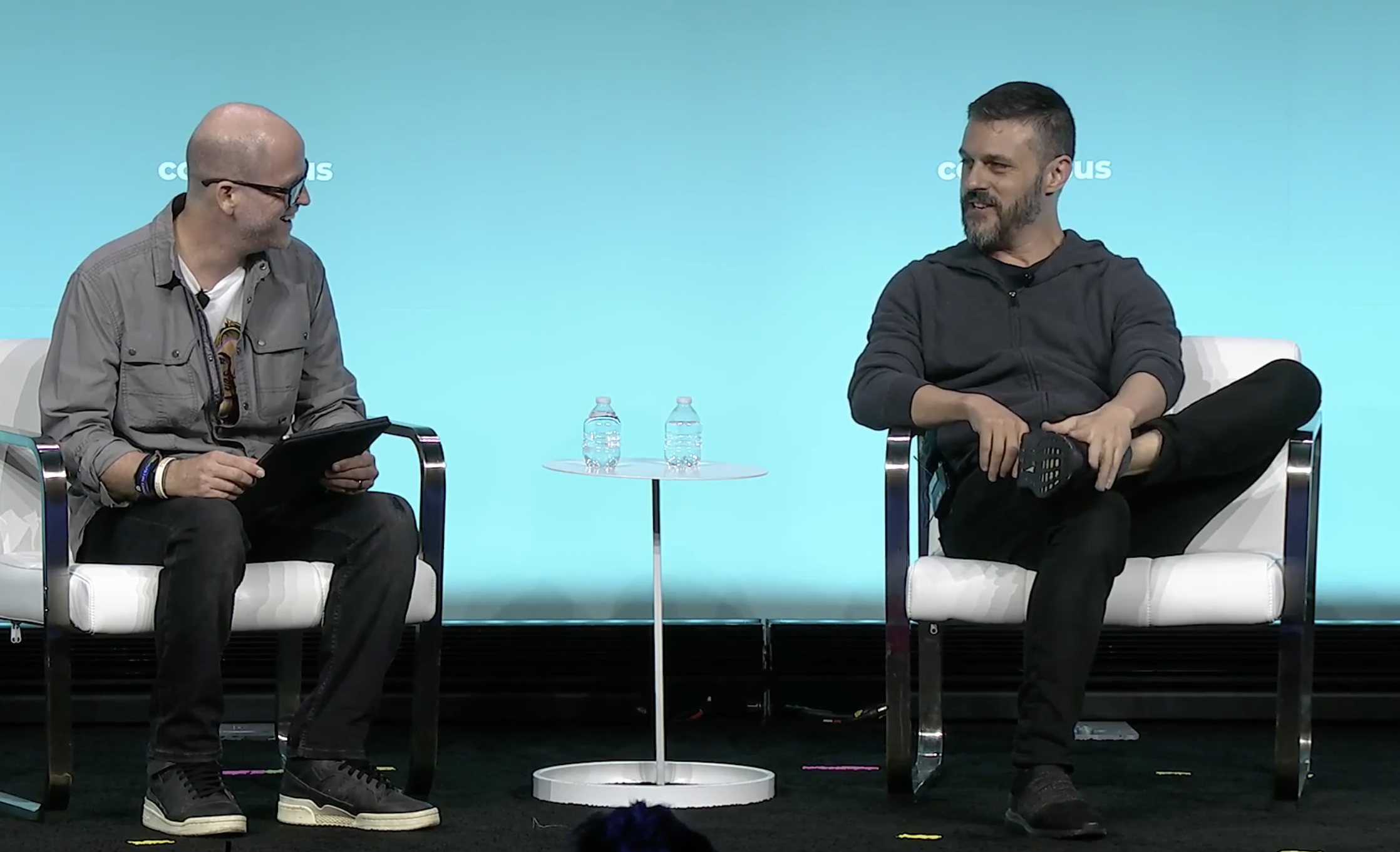
Casey Rodarmor at Consensus 2024
Casey Rodarmor at Consensus 2024 (Consensus)
Consensus2024

Controversial bitcoin developer calls 99.99% of crypto projects "utter bullshit"

Jack Morse

The crowd at the Consensus crypto conference in Austin, Texas, was all cheers Friday morning. But the audience seated in front of the main stage wasn’t celebrating the launch of a new coin or layer 2

Quite the opposite. 

On stage was Casey Rodarmor, the controversial bitcoin developer behind ordinals and runes. The two projects, which let people mint tokens on the bitcoin blockchain and have led to increased transaction fees, have won Rodarmor friends among crypto miners and made enemies among BTC purists. The former group appreciates the hundreds of millions of dollars in fees generated by ordinals and runes, while the latter argues that the projects take up valuable on-chain space that should be used for transactions.  

But Rodarmor had other controversies on his mind. 

“99.99% of the projects at this conference are complete and utter bullshit,” he said to laughter from the crowd. “They have some fancy white paper, they make all these crazy claims.”

“Glad that that’s sort of known,” he continued as the crowd interrupted him with applause. “Their purpose is really to print a token and dump it on retail investors.”


As the crypto industry works to put its Sam Bankman-Fried-tinged past in the rear-view mirror, the developers and industry insiders attending Rodarmor’s talk appeared to have landed on a path forward.

Simply put, call out the BS.

More Crypto

See all Crypto
crypto

Ripple launches treasury platform to manage cash and cryptocurrencies

Ripple, the firm closely tied to the fifth-largest cryptocurrency, XRP, introduced a new treasury platform for digital asset and traditional cash management for users like financial officers, treasurers, and accountants. 

Ripple’s move comes more than three months after it acquired treasury software provider GTreasury for $1 billion, one of several steps to grow the firm’s position in corporate finance.

Combining Ripple’s blockchain rails and GTreasury’s software, the new platforms goal is to simplify treasury operations. It eliminates settlement delays with payment times of three to five seconds and optimizes yield from working capital 24/7 through tokenized money market funds such as BlackRock’s BUIDL and overnight secure repo markets with RLUSD, according to a Tuesday blog post

Ripple Treasury also aims to provide “real-time cash positions, automated forecasting, and seamless reporting across traditional cash, digital assets, RLUSD, and XRP holdings,” the blog post stated.

Last year, Ripple filed its national banking license application with the US Office of the Comptroller of the Currency, while the firm’s subsidiary Standard Custody & Trust Company applied for a Federal Reserve master account, which would allow Ripple to hold RLUSD reserves directly with the Fed.

XRP has seen $2.4 billion in trading volume in the last 24 hours, increasing 1.8% in the period. The tokens all-time high was set in July 2025 at $3.65. Meanwhile, spot XRP ETFs had nearly $9.2 million worth of inflows on Tuesday, bringing cumulative inflows to $1.4 billion.

$82B

Crypto money laundering activity totaled more than $82 billion in 2025, more than 8x higher than 2020’s figure of $10 billion, according to a Tuesday report published by crypto analytics firm Chainalysis. Chinese-language networks dominated the ecosystem, accounting for roughly 20% of the illicit activity, or $16.1 billion, last year:

“Compared to other laundering endpoints, since 2020, inflows to identified CMLNs [Chinese-langugage money laundering networks] grew 7,325 times faster than those to centralized exchanges, 1,810 times faster than those to decentralized finance (DeFi), and 2,190 times faster than intra-illicit on-chain flows.”

Tom Keatinge, director at the Centre for Finance & Security at security think tank Royal United Services Institute, told Chainalysis that the rapid development of Chinese-language networks is an “an unforeseen consequence” of China’s imposition of capital controls.

“Wealthy individuals seeking to move money out of China and evade these controls provide the impetus and liquidity pool needed to service organized crime groups based in the West,” he noted.

Keatinge told Chainalysis, “The professional enablers of this capital flight provide the services necessary to match these two independent yet mutually beneficial needs.” 

Chinese-language networks offer six primary money movement techniques to clean dirty money, which include recruiting individuals to rent out their financial identities, selling illicit cryptocurrency at a discounted rate, and obscuring fund origins through multiple transactions. 

Overall, this Chinese ecosystem processed nearly $44 million per day last year. 

Latest Stories

Sherwood Media, LLC produces fresh and unique perspectives on topical financial news and is a fully owned subsidiary of Robinhood Markets, Inc., and any views expressed here do not necessarily reflect the views of any other Robinhood affiliate, including Robinhood Markets, Inc., Robinhood Financial LLC, Robinhood Securities, LLC, Robinhood Crypto, LLC, or Robinhood Money, LLC.