Delta, the K-shaped airline
Delta’s premium ticket sales grew more than 7% in 2025. Its main cabin ticket sales fell 5%.
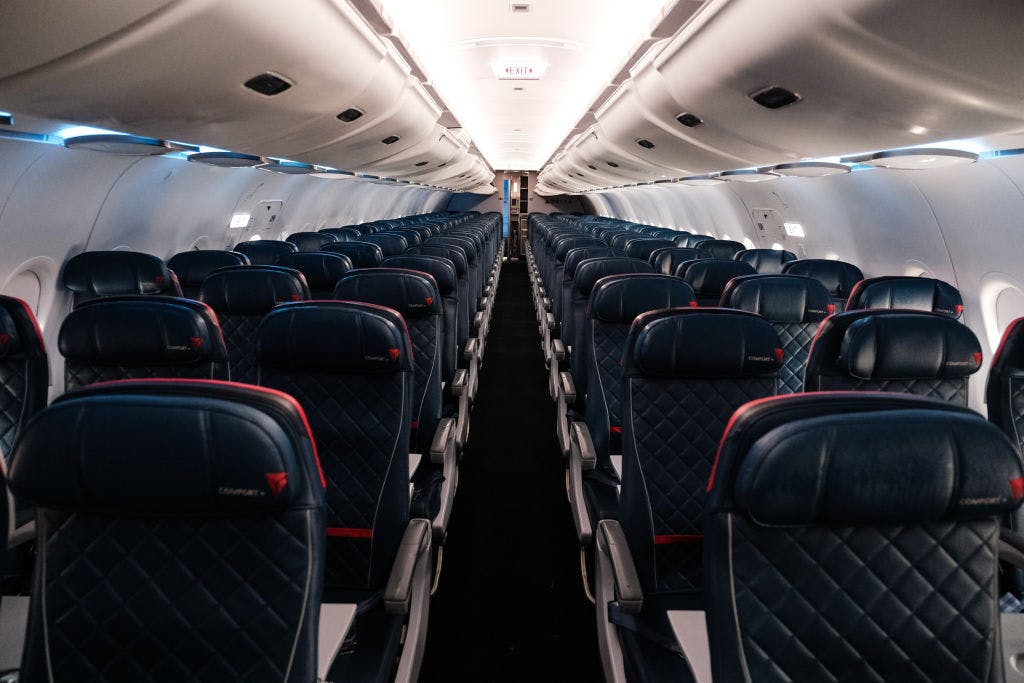
For the first time, Delta is making more money from its first-class and Comfort+ passengers than its main cabin passengers.
In the fourth quarter, Delta’s premium ticket revenue grew 9% to $5.7 billion, while its main cabin sales fell 7% to $5.62 billion. That happened a few quarters earlier than even Delta expected — back in October, CEO Ed Bastian said it could occur a few times in fiscal 2026.
While notable, the outcome has been inevitable for a while. Premium ticket growth has outpaced main growth every quarter for at least three years at Delta, as travel has become a core pillar of America’s “K-shaped economy,” in which affluent consumers do well and those on the lower end of the income spectrum cut back.
“If you look at the economy, if you look, you look at strength of the market and at how... high-end consumers are feeling about their opportunities, they’re quite bullish,” Bastian said on Tuesday’s earnings call.
Delta is leaning into the K, relying on wealthier travelers to bolster its profits — and the margin spreads have never been greater. According to Delta President Glen Hauenstein on Tuesday’s earnings call, 2026 will see all of the airline’s new seat growth (it plans to boost capacity by 3%) concentrated in premium cabins.
“The bottom end of the industry and the commodity side of the business has been struggling greatly,” Hauenstein said. “That sector has been unable to grow here for the last several years.”
Helping premium grow comfortably as the main cabin experiences turbulence is Delta’s co-branded American Express credit card, which brought in $8.4 billion last year. Cardholders receive points on purchases and can board their flights earlier — and benefits increase with higher, i.e. premium, spending.
Those cardholders, Bastian said, are “among [Delta’s] most valuable and satisfied customers, traveling more often and spending more on Delta.”