Tech
tech
Rani Molla

Waymo to expand robotaxi service to Detroit, Las Vegas, and San Diego

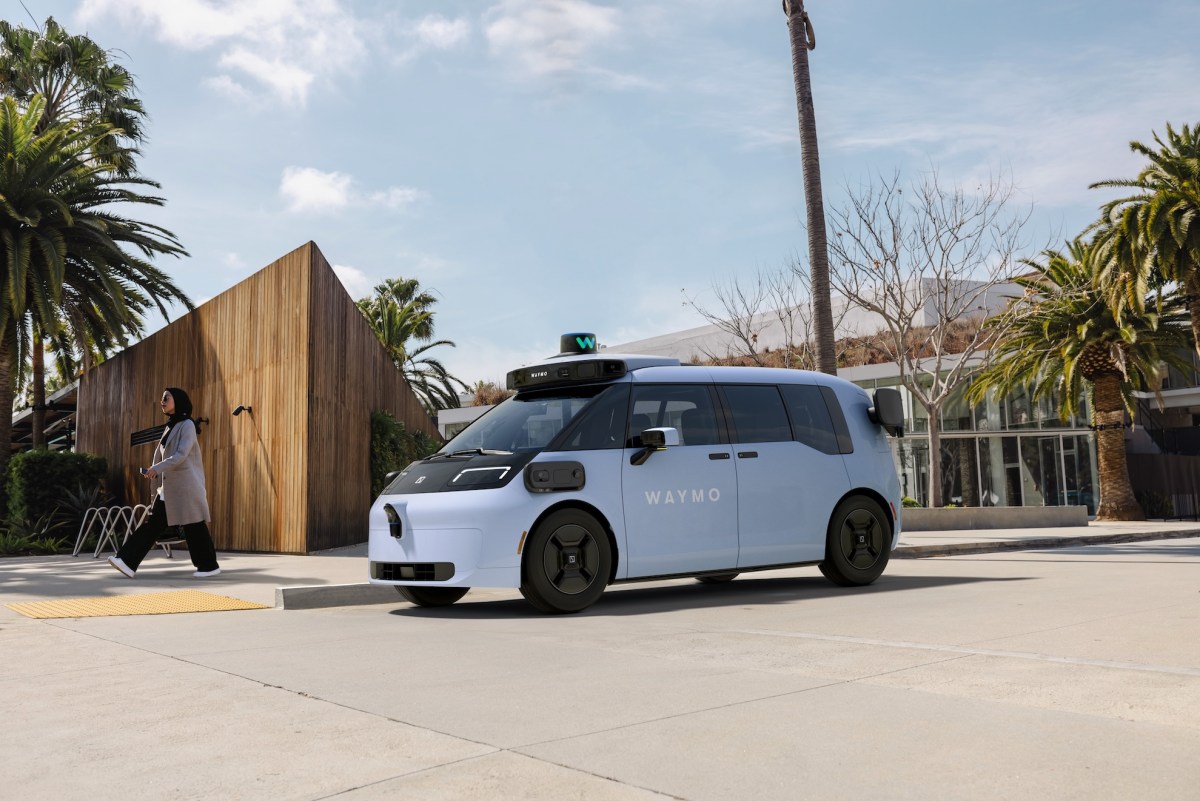
Google’s Waymo robotaxi service is expanding to three new cities — Detroit, Las Vegas, and San Diego — where it has previously tested its driverless vehicles. Waymo plans to bring its Jaguar I-Pace and Zeekr RT vehicles to those three markets this week, but they won’t be immediately available to the public.

Currently Waymo is available in five US cities: Atlanta, Austin, Los Angeles, Phoenix, and San Francisco.

Tesla is currently testing in Las Vegas, while Amazon’s Zoox has limited service in the city.

Currently Waymo is available in five US cities: Atlanta, Austin, Los Angeles, Phoenix, and San Francisco.

Tesla is currently testing in Las Vegas, while Amazon’s Zoox has limited service in the city.

More Tech

See all Tech
tech

Morgan Stanley expects Tesla to have 1,000 Robotaxis by the end of 2026. Musk had predicted 1,500 by the end of 2025

Ahead of Tesla’s earnings report next week, Morgan Stanley has released a note estimating that the company will scale its Robotaxi fleet much more slowly than CEO Elon Musk has said. The firm thinks the automaker will have 1,000 vehicles in its Robotaxi service by the end of 2026 — 500 fewer than Musk estimated a few months ago Tesla would have by the end of 2025.

More key to Tesla’s success, however, will be removing the safety monitors from those rides, which Morgan Stanley says will be a “precursor to personal unsupervised FSD [Full Self-Driving] rollout.” Musk, of course, had also promised to remove safety drivers in Austin by the end of 2025, but driverless rides are still in the testing stage.

tech

Meta says it’s delivered new AI models internally this month and they’re “very good”

Meta’s last AI model release, Llama 4, was marred by delays and accusations of rigged benchmarks, but the company says the latest models built by its Superintelligence Labs team look promising. CTO Andrew Bosworth told reporters at the World Economic Forum that the team delivered new models internally in January and they’re “very good.”

Bosworth didn’t specify what the models are, though The Wall Street Journal has reported that Meta is working on a large language model and an AI image and video model code-named Avocado and Mango, respectively.

tech

Two charts that show why Amazon is building a giant physical store

This week Amazon received approval to build a hybrid big-box store and fulfillment center outside Chicago that’s roughly twice the size of a typical Target. Why would the e-commerce giant want to wade into a costly and cumbersome physical store, especially after earlier brick-and-mortar iterations like Amazon Go have failed?

There are at least two reasons. First, despite e-commerce’s rapid growth, the vast majority of retail purchases still happen in physical stores, according to Census Bureau data:

Second, Amazon’s own customers regularly shop at competing big-box retailers: Consumer Intelligence Research Partners found that 93% have also shopped at Walmart. And as Amazon pushes further into groceries — a category still dominated by in-person shopping — CIRP estimates that basically all Amazon customers buy groceries elsewhere.

tech

OpenAI rolls out age prediction system ahead of allowing adult content

OpenAI is rolling out a new “age prediction” feature for ChatGPT users. The company will look at various signals from users to predict if a user is underage.

In a blog post, the company said:

“The model looks at a combination of behavioral and account-level signals, including how long an account has existed, typical times of day when someone is active, usage patterns over time, and a user’s stated age.”

If the system suspects the user is a minor, it will reduce content with graphic violence, harmful viral challenges, sexual or romantic role-play, depictions of self-harm, and material promoting “extreme beauty standards, unhealthy dieting, or body shaming.”

If a user is incorrectly flagged as under 18, they will have to submit a selfie to an identity verification service to have the restrictions removed.

An age verification system is part of OpenAI’s plan to reduce harmful mental health encounters with the chatbot, while also allowing ChatGPT to generate “erotica” in the near future.

“The model looks at a combination of behavioral and account-level signals, including how long an account has existed, typical times of day when someone is active, usage patterns over time, and a user’s stated age.”

If the system suspects the user is a minor, it will reduce content with graphic violence, harmful viral challenges, sexual or romantic role-play, depictions of self-harm, and material promoting “extreme beauty standards, unhealthy dieting, or body shaming.”

If a user is incorrectly flagged as under 18, they will have to submit a selfie to an identity verification service to have the restrictions removed.

An age verification system is part of OpenAI’s plan to reduce harmful mental health encounters with the chatbot, while also allowing ChatGPT to generate “erotica” in the near future.

Latest Stories

Sherwood Media, LLC produces fresh and unique perspectives on topical financial news and is a fully owned subsidiary of Robinhood Markets, Inc., and any views expressed here do not necessarily reflect the views of any other Robinhood affiliate, including Robinhood Markets, Inc., Robinhood Financial LLC, Robinhood Securities, LLC, Robinhood Crypto, LLC, or Robinhood Money, LLC.