

Markets
markets

Joby shares are taking off again on report of a potential $1 billion deal with a Saudi Arabian investor

Electric air taxi company Joby Aviation rose 10% on Tuesday morning following news that the buzzy company is nearing a $1 billion deal to sell 200 of its air taxis to a Saudi Arabian investor.

Air taxis have been a hot investment in recent months, with automakers and airlines pouring cash into companies focused on the tech, largely on the belief that passengers will one day very soon want to ride mini electric helicopters to the airport with three friends. Joby rival Archer Aviation was recently named the “Official Air Taxi Provider” of the LA Olympics in 2028.

Joby has said it wants to begin commercial air taxi service in Dubai early next year. In the US, FAA certification is still needed.

This marks the second time in a week that Joby shares have taken off. A recent $250 million Toyota investment sent the stock soaring 27% last Wednesday.
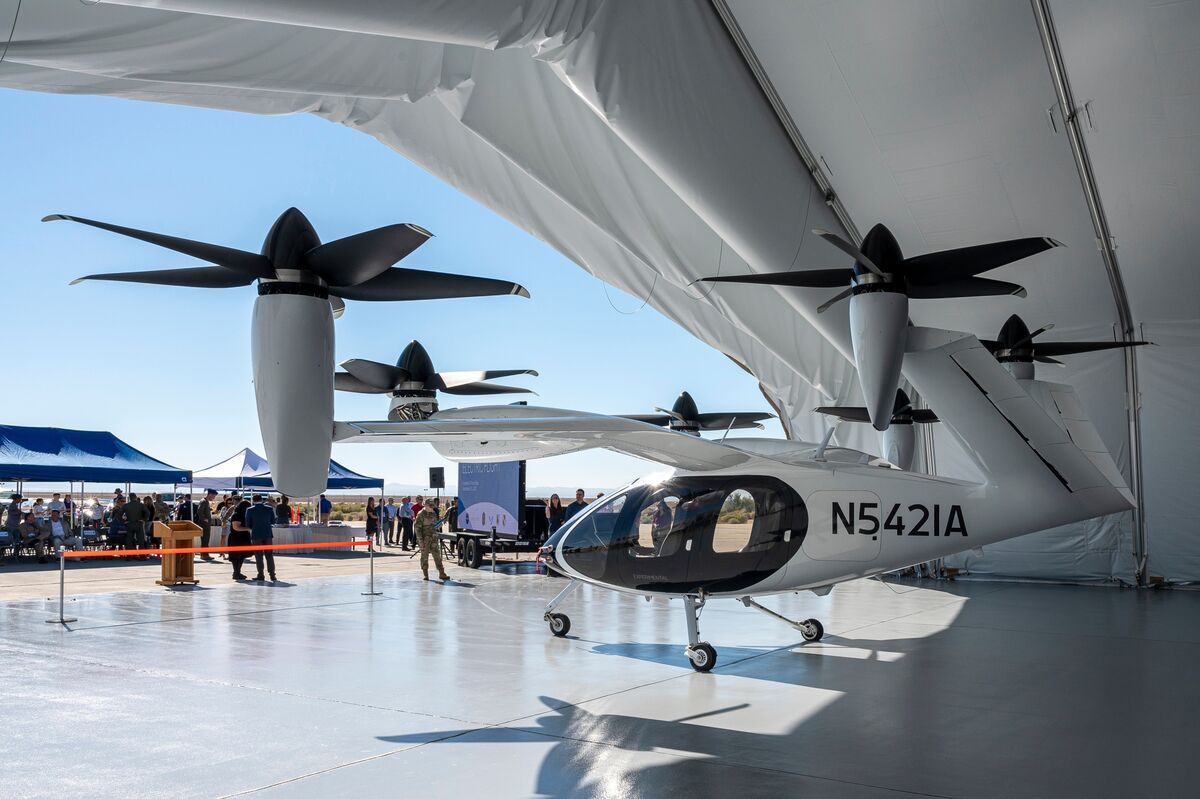
Air taxis have been a hot investment in recent months, with automakers and airlines pouring cash into companies focused on the tech, largely on the belief that passengers will one day very soon want to ride mini electric helicopters to the airport with three friends. Joby rival Archer Aviation was recently named the “Official Air Taxi Provider” of the LA Olympics in 2028.

Joby has said it wants to begin commercial air taxi service in Dubai early next year. In the US, FAA certification is still needed.

This marks the second time in a week that Joby shares have taken off. A recent $250 million Toyota investment sent the stock soaring 27% last Wednesday.

More Markets

See all Markets
markets

Nvidia gains on report that Chinese officials told domestic tech champions to progress with plans for H200 imports

The “will Xi, won’t Xi?” of Nvidia’s quest to send AI chips to China got some positive news, reversing a string of recent negative reports.

Per Bloomberg, Chinese officials told leading domestic tech champions including Alibaba, Tencent, and ByteDance that they can progress in their preparations to import Nvidia’s H200 chips, and “are now cleared to discuss specifics such as the amounts they would require,” citing people familiar with the matter.

Shares are up 1.5% as of 8:06 a.m. ET.

The outlet had previously reported that China would begin to allow H200 imports for commercial use “as soon as this quarter.” However, that was followed by reports from The Information, the Financial Times, and Reuters that Chinese companies’ ability to access these AI chips would be limited and that suppliers had paused production following what was tantamount to an import ban.

The seemingly conflicting reports from various outlets reflect the tug-of-war within the Chinese policy apparatus, which aims to balance competing priorities: bolstering its AI capabilities (which argues for using the best technology available, even if that’s from foreign sources) and supporting the development of its domestic semiconductor manufacturing industry (which pushes in the opposite direction).

The ghosts of AI

AI has given public markets the software scaries... and it’s spreading to private markets too

As AI replaces software engineers and vibe-coding startups surge, hundreds of billions of dollars' worth of venture bets on traditional software firms are facing a brutal reset.

markets

Alaska Airlines dips following weaker-than-expected 2026 earnings guidance

Alaska Airlines, America’s fifth-largest airline, reported its fourth-quarter and full-year results for 2025 after the market closed Thursday. Its shares fell 2% in after-hours trading.

The airline reported adjusted fourth-quarter earnings of $0.43 per share, beating the $0.11 expected by Wall Street analysts polled by FactSet. Its Q4 passenger revenue climbed 2% to $3.25 billion.

For the current quarter, Alaska guided for a 1% to 2% increase in capacity and an adjusted loss of $1.50 to $0.50 per share, compared to the $0.77 loss per share expected by analysts. The airline forecast full-year earnings of between $3.50 and $6.50 per share for 2026. The $5 midpoint falls short of analyst estimates of $5.52 per share.

“To hit the higher end of our guidance range we would require sustained macroeconomic recovery in 2026, at or improving on trends seen in the first three weeks of the year, and for fuel prices to stabilize,” the company said in its report.

Earlier this month, the carrier placed its largest-ever plane order, securing 110 Boeing jets to support its international growth ambitions. It plans to add flights to Rome, London, and Iceland this summer, and has said it will boost its premium seat offerings this year — in line with a wider trend of travel trends reflecting a “K-shaped economy.”

Intel Logo In front of Building

Intel slumps after Q1 guidance disappoints

The bad outlook offset strong Q4 results.

Latest Stories

Sherwood Media, LLC produces fresh and unique perspectives on topical financial news and is a fully owned subsidiary of Robinhood Markets, Inc., and any views expressed here do not necessarily reflect the views of any other Robinhood affiliate, including Robinhood Markets, Inc., Robinhood Financial LLC, Robinhood Securities, LLC, Robinhood Crypto, LLC, or Robinhood Money, LLC.