Tech
A man, a woman and a child with a phone instead of a head
(Getty Images)
the elder scrolls

Older Americans are spending more time on their phones than younger cohorts, per new data

Some members of the TikTok generation are (very slightly) less glued to their phones than other adults, it turns out.

When new forms of technology and media have cropped up throughout history, charges of overdependence have often been leveled at their younger consumers.

Dating back as far as the popularization of the novel (tricky as that might be to believe in today’s “post-literate society”), followed by the halcyon days of the radio, now the mobile phone has proved no exception to the rule.

However, young Americans, regularly accused of mindlessly scrolling through never-ending brainrot on their devices, may feel vindicated by new data that suggests the tables may have turned in recent times. Per figures from mobile app intelligence provider Apptopia, 17- to 25-year-olds in the US have actually spent less time on their phones than adults aged 36 and over of late — albeit marginally.

American phone use chart
Sherwood News

Per the latest batch of quarterly data, the younger cohort clocked some 350 minutes of daily phone use, compared with 352 minutes for the 36 and older demographic. Though the actual difference might be slim, this has now been the case since the end of 2024 and will likely still come as a shock to many. As far as reasons for the surprising switch go, Apptopia’s Adam Blacker flagged young Americans’ efforts to “disengage from technology” and the rise of home device “companion apps” among older users as potential factors.

Meanwhile, broader monthly figures released by the mobile app data tracker showed that the average American now spends 6.3 hours a day on their phone, up some 51 minutes from the 5.5-hour total recorded at the start of 2023. Clearly, the way we use our phones is shifting — from the way we now mostly watch, rather than scroll, social media to our growing penchant for apps that aren’t games. But the amount of time we spend on them is only going in one direction... no matter how old you are.


More Tech

See all Tech
tech

Ahead of IPO, Anthropic adds veteran executive and former Trump administration official to board

Anthropic is moving to put the pieces in place for a successful IPO this year.

Today, the company announced that Chris Liddel would join its board of directors.

Liddel is an seasoned executive who previously served as CFO for Microsoft, GM, and International Paper.

Liddel also comes with experience in government, having served as the deputy White House chief of staff during the first Trump administration.

Ties to the Trump world could be helpful for Anthropic as it pushes to enter the public market. Its reportedly not on the greatest terms with the current administration, as the startup has pushed back on using its Claude AI for surveillance applications.

Liddel is an seasoned executive who previously served as CFO for Microsoft, GM, and International Paper.

Liddel also comes with experience in government, having served as the deputy White House chief of staff during the first Trump administration.

Ties to the Trump world could be helpful for Anthropic as it pushes to enter the public market. Its reportedly not on the greatest terms with the current administration, as the startup has pushed back on using its Claude AI for surveillance applications.

tech

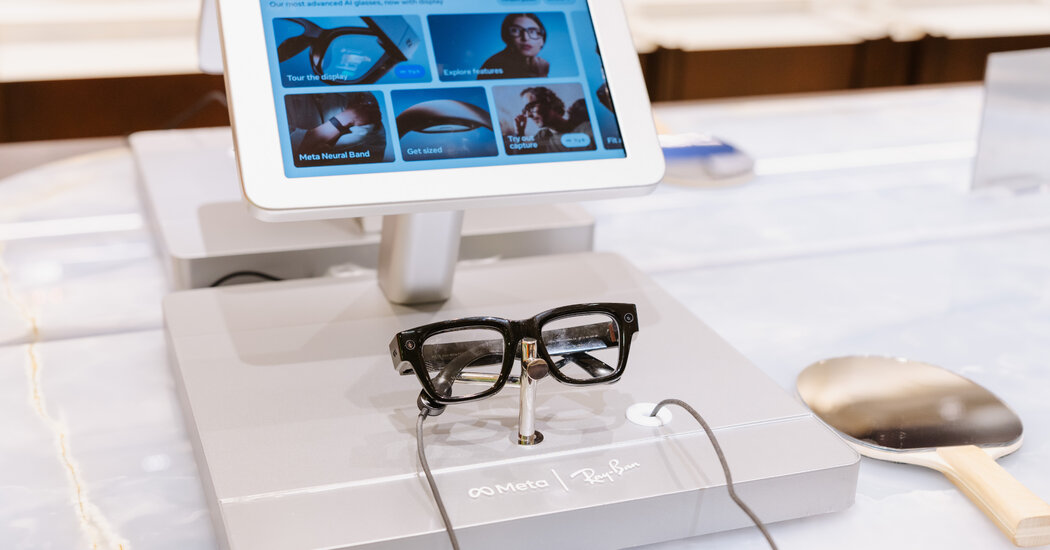
Meta is bringing back facial recognition for its smart glasses

Meta is reviving its highly controversial facial recognition efforts, with plans to incorporate the tech into its smart glasses as soon as this year, The New York Times reports.

In 2021, around the time Facebook rebranded as Meta, the company shut down the facial recognition software it had used to tag people in photos, saying it needed to “find the right balance.”

Now, according to an internal memo reviewed by the Times, Meta seems to feel that it’s at least found the right moment, noting that the fraught and crowded political climate could allow the feature to attract less scrutiny.

“We will launch during a dynamic political environment where many civil society groups that we would expect to attack us would have their resources focused on other concerns,” the document reads.

The tech, called “Name Tag” internally, would let smart glass wearers identify and surface information about people they see with the glasses by using Meta’s artificial intelligence assistant.

Now, according to an internal memo reviewed by the Times, Meta seems to feel that it’s at least found the right moment, noting that the fraught and crowded political climate could allow the feature to attract less scrutiny.

“We will launch during a dynamic political environment where many civil society groups that we would expect to attack us would have their resources focused on other concerns,” the document reads.

The tech, called “Name Tag” internally, would let smart glass wearers identify and surface information about people they see with the glasses by using Meta’s artificial intelligence assistant.

tech
Jon Keegan

Anthropic raises $30 billion, now valued at $380 billion

Anthropic is now valued at $380 billion, after closing on its latest round of fundraising, taking in $30 billion from a wide range of investors. The Series G round was co-led by D. E. Shaw Ventures, Dragoneer, Founders Fund, ICONIQ, and the UAE’s investment arm, MGX.

Some other investors include: Qatar Investment Authority (QIA), Sequoia Capital, Fidelity Management & Research Company, JPMorgan Chase, Lightspeed Venture Partners, Microsoft, and Nvidia.

Anthropic offered a few details on the current state of its business:

  • Anthropic said that its annual run-rate revenue has reached $14 billion, seeing 10x growth each of the past three years.

  • “The number of customers spending over $100,000 annually on Claude (as represented by run-rate revenue) has grown 7x in the past year.”

  • “Claude Code’s run-rate revenue has grown to over $2.5 billion; this figure has more than doubled since the beginning of 2026.”

  • Business subscriptions to Claude Code have quadrupled since the start of 2026.

In a blog post announcing the round, the company said:

“We train and run Claude on a diversified range of AI hardware — AWS Trainium, Google TPUs, and NVIDIA GPUs — which means we can match workloads to the chips best suited for them. This diversity of platforms translates to better performance and greater resilience for the enterprise customers that depend on Claude for critical work.”

Anthropic offered a few details on the current state of its business:

  • Anthropic said that its annual run-rate revenue has reached $14 billion, seeing 10x growth each of the past three years.

  • “The number of customers spending over $100,000 annually on Claude (as represented by run-rate revenue) has grown 7x in the past year.”

  • “Claude Code’s run-rate revenue has grown to over $2.5 billion; this figure has more than doubled since the beginning of 2026.”

  • Business subscriptions to Claude Code have quadrupled since the start of 2026.

In a blog post announcing the round, the company said:

“We train and run Claude on a diversified range of AI hardware — AWS Trainium, Google TPUs, and NVIDIA GPUs — which means we can match workloads to the chips best suited for them. This diversity of platforms translates to better performance and greater resilience for the enterprise customers that depend on Claude for critical work.”

Latest Stories

Sherwood Media, LLC produces fresh and unique perspectives on topical financial news and is a fully owned subsidiary of Robinhood Markets, Inc., and any views expressed here do not necessarily reflect the views of any other Robinhood affiliate, including Robinhood Markets, Inc., Robinhood Financial LLC, Robinhood Securities, LLC, Robinhood Crypto, LLC, or Robinhood Money, LLC.