Tech
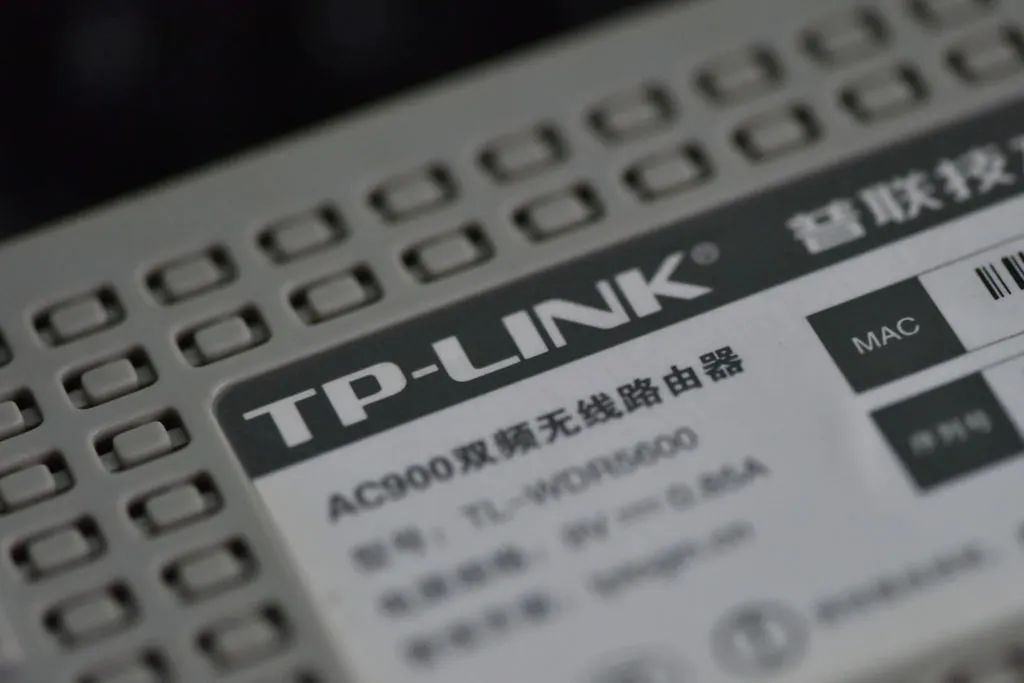
Chinese Router Maker TP-Link
(CFOTO/Getty Images)

FCC bans foreign-made routers over national security concerns

Following a similar ban on foreign-made drones, the Trump administration’s ban will effectively kneecap the majority of consumer router manufacturers selling in the US marketplace.

Jon Keegan

One of the most boring and ubiquitous pieces of modern consumer technology is suddenly in the crosshairs of the Trump administration as an urgent national security threat: that dusty internet router on your shelf that broadcasts Wi-Fi around your home.

The FCC has ruled that foreign-made routers “pose unacceptable risks to the national security of the United States or the safety and security of United States persons.” Chinese firm TP-Link currently dominates the US market. In a testimony to Congress last year, the former director of cybersecurity said that TP-Link had grown to at least 60% of the U.S. retail market for Wi-Fi systems and SoHo routers. TP-Link did not immediately respond to a request for comment.

Internet-connected consumer devices like routers have long been a favorite target for cyberattacks. Most people aren’t great about changing the default passwords, and when was the last time you sat down to update your router’s firmware? A huge number of these devices have not received important security updates, and some might be so old they are no longer supported by the manufacturer.

A 2025 Device Security Threat Report from Palo Alto Networks found that approximately 21% of all Internet of Things devices have at least one known vulnerability. The FCC specifically cited how compromised routers were used in the Volt, Flax, and Salt Typhoon cyberattacks that targeted US infrastructure.

The move is a boon to US consumer router manufacturers like NTGR, which rocketed up as much as 18% on the news. Google and Amazon also make consumer routers, but it isn’t a major revenue driver for either.

In a similar action last year, the FCC banned all foreign-made quadcopter-style drones and related components.

More Tech

See all Tech
tech

Jury finds Meta and Google liable in social addiction case

A Los Angeles jury found Meta and Google liable of designing Instagram and YouTube to be addictive for young users, awarding the plaintiff $3 million in damages, with Meta responsible for 70% of the total. The trial centered on whether features like autoplay and infinite scroll contributed to a plaintiff’s mental health issues — and could set a precedent for holding tech companies responsible for product design, not just content.

The jury also found that Meta and Google could face punitive damages, with a separate phase of the trial to determine how much they should pay.

The decision comes just one day after a New Mexico judge ordered Meta to pay $375 million in civil penalties, saying it violated state consumer protection laws by enabling child sexual exploitation.

The jury also found that Meta and Google could face punitive damages, with a separate phase of the trial to determine how much they should pay.

The decision comes just one day after a New Mexico judge ordered Meta to pay $375 million in civil penalties, saying it violated state consumer protection laws by enabling child sexual exploitation.

AI image of Sam Altman grilling Pikachu

Sora lasted less than one Quibi

OpenAI’s app joins the hallowed halls of video ideas that burned bright and fast.

$75B

SpaceX, which could file confidential paperwork for its IPO as soon as this week, is now aiming to raise an astounding $75 billion through its public listing, The Information reports. That’s 50% higher than previous reports.

For comparison’s sake, the current record holder for money raised in an IPO is Saudi Aramco, which raised $29.4 billion. Or, as The Information noted, SpaceX’s IPO would “surpass all money raised by US IPOs last year.”

Latest Stories

Sherwood Media, LLC produces fresh and unique perspectives on topical financial news and is a fully owned subsidiary of Robinhood Markets, Inc., and any views expressed here do not necessarily reflect the views of any other Robinhood affiliate, including Robinhood Markets, Inc., Robinhood Financial LLC, Robinhood Securities, LLC, Robinhood Crypto, LLC, Robinhood Derivatives, LLC, or Robinhood Money, LLC. Futures and event contracts are offered through Robinhood Derivatives, LLC.