

Tech
tech
Rani Molla

Apple “drastically” cuts iPhone Air production as consumers prefer iPhone 17 and iPhone 17 Pro

Turns out that people don’t love skinny.

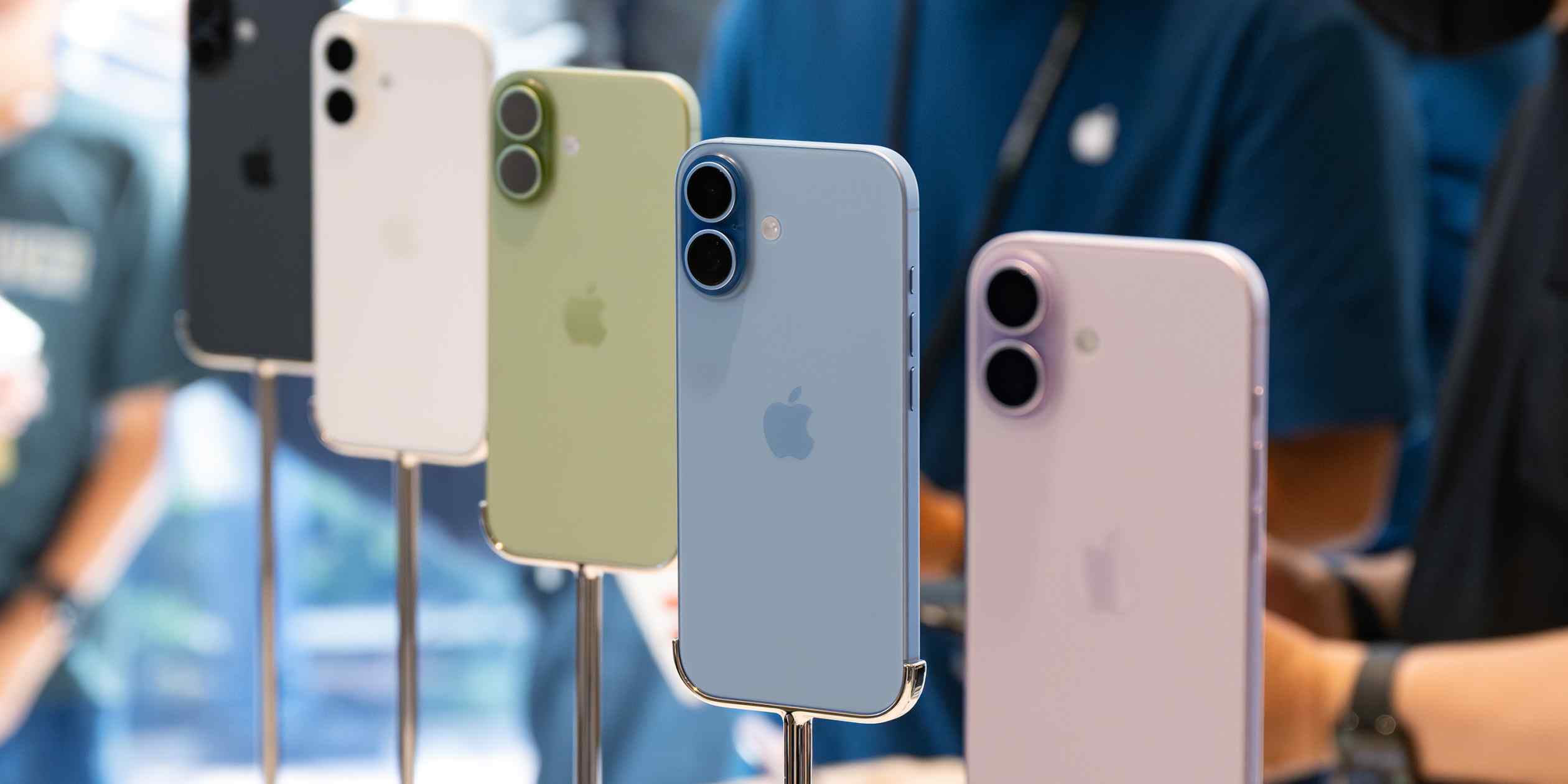
Apple is “drastically” cutting back its slim iPhone Air to “end of production” levels, Nikkei Asia reports, as consumers greatly prefer its regular and Pro iPhone 17 models. On balance, that means Apple is maintaining its initial production forecast of 85 million to 90 million units for the iPhone 17 lineup, according to the report.

A survey released by KeyBanc today also found “virtually no demand for iPhone Air.” The preference for more expensive models suggests average selling prices rather than unit volume will drive growth in FY 2026, KeyBanc said.

This latest news comes after generally positive early sales for the latest iPhone suite, which recently helped push Apple shares to an all-time high.

Apple is down 0.7% premarket.
A survey released by KeyBanc today also found “virtually no demand for iPhone Air.” The preference for more expensive models suggests average selling prices rather than unit volume will drive growth in FY 2026, KeyBanc said.

This latest news comes after generally positive early sales for the latest iPhone suite, which recently helped push Apple shares to an all-time high.

Apple is down 0.7% premarket.

More Tech

See all Tech
tech

Apple is reportedly working on a wearable AI pin

Move over OpenAI, Apple is reportedly also developing a mysterious AI powered wearable device: a pin that looks like a "thin, flat, circular disc with an aluminum-and-glass shell.”

The Information reports that the device is the size of an AirTag, and has two cameras, a speaker, three microphones, and wireless charging. It could be available by early 2027.

Apple, which has lagged its peers in AI and recently teamed up with Googleto support its upcoming Siri revamp, is hoping to keep up with ChatGPT and Google, which, like Apple, has an AI smartphone. Metaand Google are both also pushing into smart AI glasses.

It’s not to be mistaken with OpenAI’s secretive wearable AI device, which is being made in conjunction with former Appledesigner Jony Ive and is expected to debut in late 2026. The latest rumors suggest the unnamed device, meant to eventually compete with smartphones, might be earbuds.

Apple, which has lagged its peers in AI and recently teamed up with Googleto support its upcoming Siri revamp, is hoping to keep up with ChatGPT and Google, which, like Apple, has an AI smartphone. Metaand Google are both also pushing into smart AI glasses.

It’s not to be mistaken with OpenAI’s secretive wearable AI device, which is being made in conjunction with former Appledesigner Jony Ive and is expected to debut in late 2026. The latest rumors suggest the unnamed device, meant to eventually compete with smartphones, might be earbuds.

tech

Morgan Stanley expects Tesla to have 1,000 Robotaxis by the end of 2026. Musk had predicted 1,500 by the end of 2025

Ahead of Tesla’s earnings report next week, Morgan Stanley has released a note estimating that the company will scale its Robotaxi fleet much more slowly than CEO Elon Musk has said. The firm thinks the automaker will have 1,000 vehicles in its Robotaxi service by the end of 2026 — 500 fewer than Musk estimated a few months ago Tesla would have by the end of 2025.

More key to Tesla’s success, however, will be removing the safety monitors from those rides, which Morgan Stanley says will be a “precursor to personal unsupervised FSD [Full Self-Driving] rollout.” Musk, of course, had also promised to remove safety drivers in Austin by the end of 2025, but driverless rides are still in the testing stage.

tech

Meta says it’s delivered new AI models internally this month and they’re “very good”

Meta’s last AI model release, Llama 4, was marred by delays and accusations of rigged benchmarks, but the company says the latest models built by its Superintelligence Labs team look promising. CTO Andrew Bosworth told reporters at the World Economic Forum that the team delivered new models internally in January and they’re “very good.”

Bosworth didn’t specify what the models are, though The Wall Street Journal has reported that Meta is working on a large language model and an AI image and video model code-named Avocado and Mango, respectively.

tech

Two charts that show why Amazon is building a giant physical store

This week Amazon received approval to build a hybrid big-box store and fulfillment center outside Chicago that’s roughly twice the size of a typical Target. Why would the e-commerce giant want to wade into a costly and cumbersome physical store, especially after earlier brick-and-mortar iterations like Amazon Go have failed?

There are at least two reasons. First, despite e-commerce’s rapid growth, the vast majority of retail purchases still happen in physical stores, according to Census Bureau data:

Second, Amazon’s own customers regularly shop at competing big-box retailers: Consumer Intelligence Research Partners found that 93% have also shopped at Walmart. And as Amazon pushes further into groceries — a category still dominated by in-person shopping — CIRP estimates that basically all Amazon customers buy groceries elsewhere.

Latest Stories

Sherwood Media, LLC produces fresh and unique perspectives on topical financial news and is a fully owned subsidiary of Robinhood Markets, Inc., and any views expressed here do not necessarily reflect the views of any other Robinhood affiliate, including Robinhood Markets, Inc., Robinhood Financial LLC, Robinhood Securities, LLC, Robinhood Crypto, LLC, or Robinhood Money, LLC.