Markets
markets
Luke Kawa

Vistra and Oklo soar on nuclear energy deals with Meta to support data center boom

AI utility darling Vistra and zero-revenues nuclear company Oklo are flying higher on Friday after both companies announced deals with Meta.

Shares of both companies are up double digits as of 7:30 a.m. ET.

The social media giant signed a 20-year power purchase agreement with Vistra, which will see it buy the output of three nuclear plants “to support Meta’s operations in the region.” Per the press release, more than 15% of the contracted capacity from this deal will constitute a new addition to the PJM region, home to the nation’s largest power grid and ground zero for rising electricity costs. The pact is reminiscent of Meta’s deal with Constellation Energy in June, another 20-year PPA of what’s generated from a nuclear plant in Illinois.

Meta’s agreement with Oklo “provides a mechanism for Meta to prepay for power and provide funding to advance project certainty for Oklo’s Aurora powerhouse development,” with the nuke company aiming for the first phase to be active as soon as 2030, also “to support Meta’s data centers in the region.”

The Mark Zuckerberg-led firm also struck a deal with privately held firm TerraPower to develop up to eight reactors and storage system plants in the US, the first of which is hoped to be delivered as soon as 2032.

“We believe this news is incrementally positive for the entire nuclear energy industry, including OKLO, as it reaffirms the commitment from hyperscalers to start leveraging new energy sources to fuel the AI Revolution with power being the biggest headwind to the industry,” Wedbush Securities analyst Dan Ives wrote.

The Trump administration has touted nuclear energy as a way to solve its competing priorities in the development of artificial intelligence. George Pollack, senior US policy analyst at Signum Global Advisors, has argued that US leadership can realize only two of these three objectives: preside over an AI boom, boost fossil fuel production at the expense of renewables, and avoid household angst over high energy prices. However, the long lead times involved with developing and deploying nuclear power, as two of agreements show, are seemingly incompatible with short-term fixes. On the other hand, the ambitious, multiyear data center build-out plans envisaged by hyperscalers help explain why they’re willing to wait and plan ahead to lock down energy supply.

More Markets

See all Markets
markets

Oil-sensitive stocks and companies relying on middle-class spending are getting crushed

Sometimes there’s a singular story driving the markets. With US benchmark crude oil prices topping $100 a barrel, Monday is one of those days.

Oil-sensitive stocks are getting clobbered, with airlines foremost among them. JetBlue, United Airlines, and Alaska Air are all tumbling.

But the pain is more widespread than that, with industries where oil prices are a major input, such as chemical manufacturers (Eastman Chemical), industrial machinery makers (Illinois Tool Works), and building products (Owens-Corning), also getting shellacked.

More ominous — economically speaking — is the performance of companies catering to America’s middle class, including Macy’s, Kohl’s, Best Buy, and Texas Roadhouse. The drop suggests that investors and traders expect the rising cost of fuel to eat away at disposable income, potentially setting the stage for an economic slowdown.

Some of the worst off on Monday are companies that are both fuel-sensitive and heavily reliant on middle-class consumers — a double whammy.

Cases in point: Carnival is getting creamed, and Clorox, a company that depends on slightly better-off Americans shelling out for its brand-name products, is also getting pummeled.

But the pain is more widespread than that, with industries where oil prices are a major input, such as chemical manufacturers (Eastman Chemical), industrial machinery makers (Illinois Tool Works), and building products (Owens-Corning), also getting shellacked.

More ominous — economically speaking — is the performance of companies catering to America’s middle class, including Macy’s, Kohl’s, Best Buy, and Texas Roadhouse. The drop suggests that investors and traders expect the rising cost of fuel to eat away at disposable income, potentially setting the stage for an economic slowdown.

Some of the worst off on Monday are companies that are both fuel-sensitive and heavily reliant on middle-class consumers — a double whammy.

Cases in point: Carnival is getting creamed, and Clorox, a company that depends on slightly better-off Americans shelling out for its brand-name products, is also getting pummeled.

Retro outdoor sign to save money on gas, Save $ on fuel

Where in the US have gas prices jumped the most since the US attack on Iran?

Drivers in some states are seeing pump prices rise much faster than others.

markets

Live Nation reportedly reaches settlement with DOJ over Ticketmaster

Live Nation is jumping in premarket trading on Monday after reports that it has reached a settlement with the Department of Justice over an antitrust lawsuit that could have forced the company to sell Ticketmaster.

After Bloomberg reported that the company was close to a settlement, The Wall Street Journal early on Monday reported that a deal had indeed been reached with an agreement that crucially spares the entertainment giant from breaking up with Ticketmaster, in return for making it easier for other promoters to compete in Live Nation venues.

The prompt agreement, with negotiations presumably intensifying since the trial kicked off on March 2, is expected to get relief to consumers faster than Live Nation going through a trial, per a Justice Department official cited by the WSJ.

Separately, Politico reported that the settlement would include $200 million in damages to participating states — a tiny fraction of Live Nation’s more than $36 billion market cap. Politico also expects Live Nation to divest more than 10 amphitheaters and cap Ticketmaster’s service fees at its amphitheaters under the agreement.

The settlement, which still requires approval from a judge, is set to be made public on Monday, and has seen about 10 states agreeing to the new framework, according to people familiar with the matter. Other state attorneys general may continue to separately litigate.

After Bloomberg reported that the company was close to a settlement, The Wall Street Journal early on Monday reported that a deal had indeed been reached with an agreement that crucially spares the entertainment giant from breaking up with Ticketmaster, in return for making it easier for other promoters to compete in Live Nation venues.

The prompt agreement, with negotiations presumably intensifying since the trial kicked off on March 2, is expected to get relief to consumers faster than Live Nation going through a trial, per a Justice Department official cited by the WSJ.

Separately, Politico reported that the settlement would include $200 million in damages to participating states — a tiny fraction of Live Nation’s more than $36 billion market cap. Politico also expects Live Nation to divest more than 10 amphitheaters and cap Ticketmaster’s service fees at its amphitheaters under the agreement.

The settlement, which still requires approval from a judge, is set to be made public on Monday, and has seen about 10 states agreeing to the new framework, according to people familiar with the matter. Other state attorneys general may continue to separately litigate.

markets

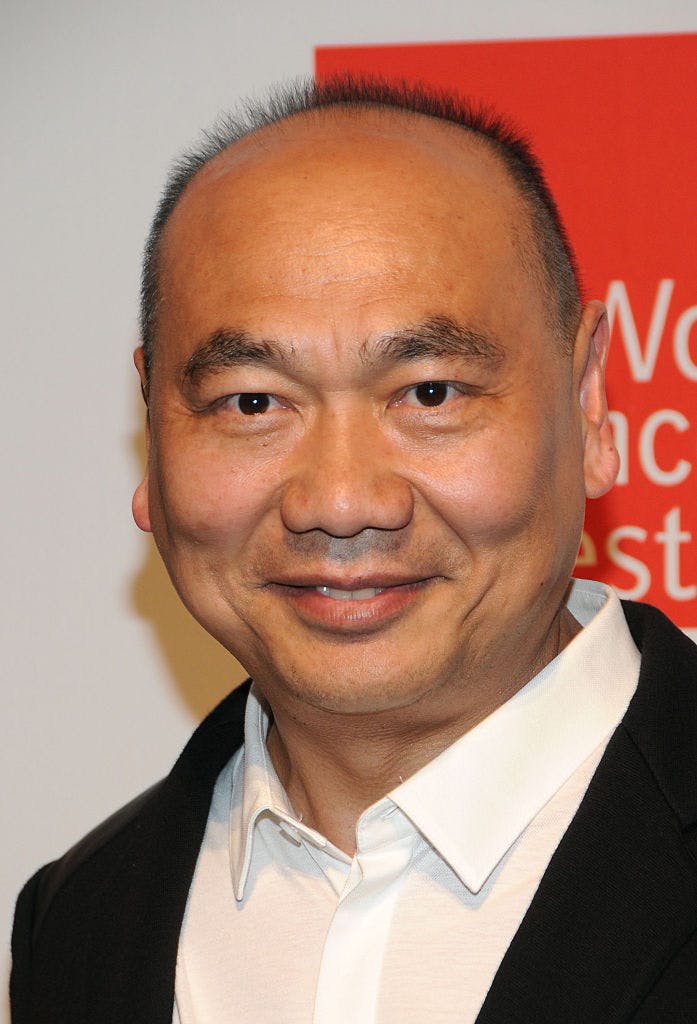
Leo KoGuan, billionaire Tesla bull, tweets that he purchased another 1 million shares of Nvidia

Billionaire software entrepreneur, philosopher, and now major Tesla and Nvidia bull Leo KoGuan tweeted that he bought another 1 million shares of the chip designer.

“Hopefully, I can contribute a little to calm the nervous market. Good luck all,” he wrote in his message.

Unless KoGuan can work some magic in global oil markets or conflict resolution in the Middle East, however, “a little” may be all he’s able to contribute in favor of market tranquility.

Stocks, including Nvidia, are modestly positive this morning despite the spike in oil prices weighing on major indexes.

Unless KoGuan can work some magic in global oil markets or conflict resolution in the Middle East, however, “a little” may be all he’s able to contribute in favor of market tranquility.

Stocks, including Nvidia, are modestly positive this morning despite the spike in oil prices weighing on major indexes.

Latest Stories

Sherwood Media, LLC produces fresh and unique perspectives on topical financial news and is a fully owned subsidiary of Robinhood Markets, Inc., and any views expressed here do not necessarily reflect the views of any other Robinhood affiliate, including Robinhood Markets, Inc., Robinhood Financial LLC, Robinhood Securities, LLC, Robinhood Crypto, LLC, or Robinhood Money, LLC.