


Lawmakers slip hemp THC ban in funding bill
A bill to fund the government low-key banned weed seltzers.
Tucked in the funding bill that will end the longest government shutdown in US history is a ban on hemp-derived THC products, a growing but controversial product line for the US pot industry.
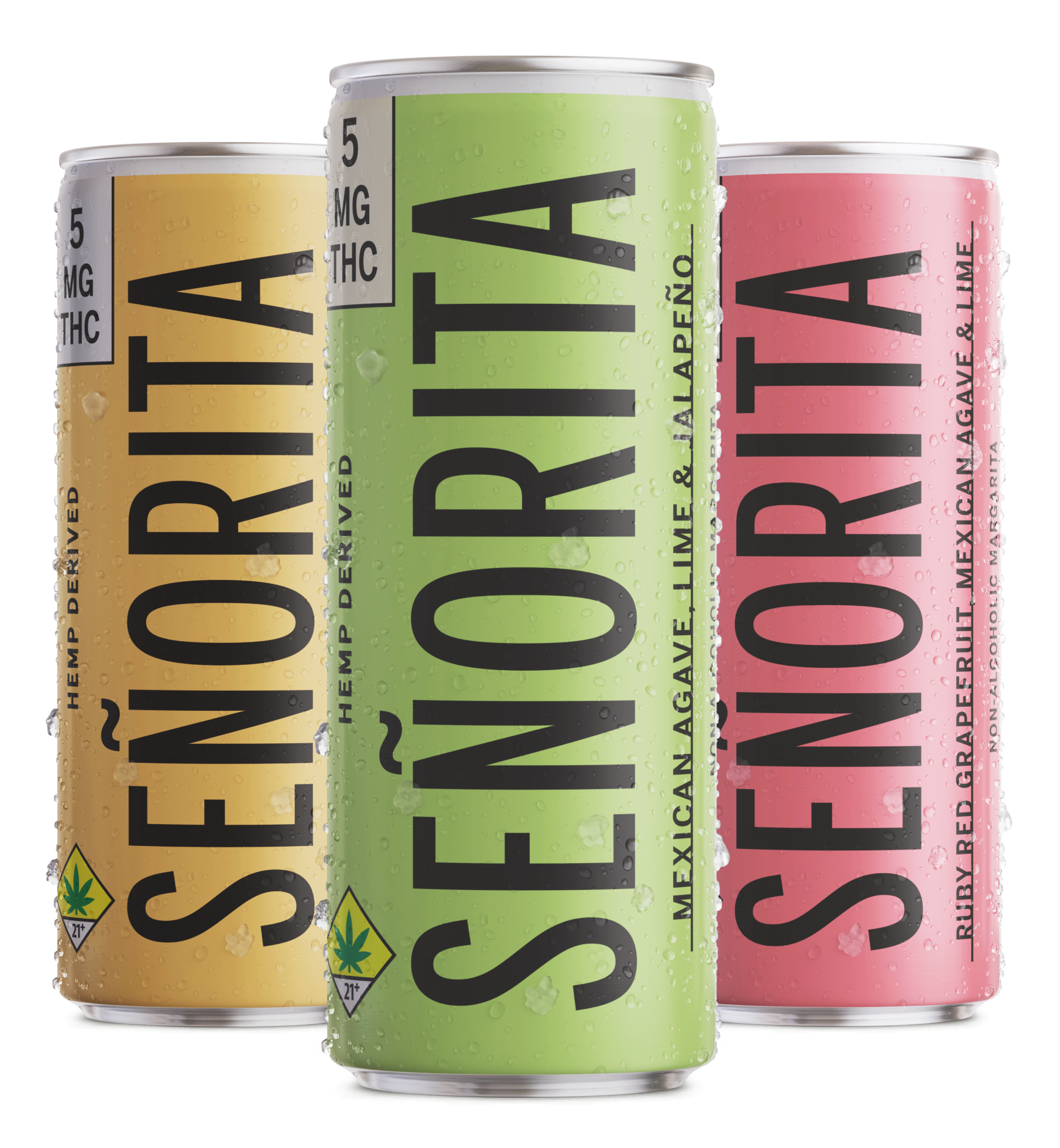
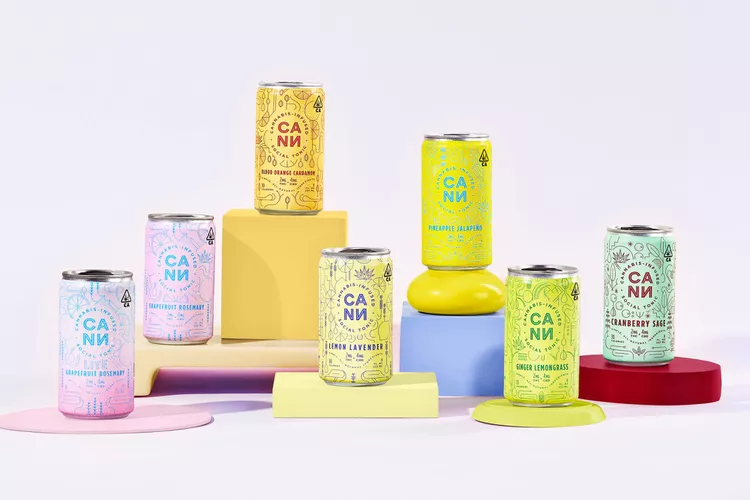
The funding bill includes a provision that would, by late 2026, ban hemp-derived THC products in the US, which range from sketchy joints sold at gas stations to THC seltzers made by public companies or venture-backed startups.
The 2018 Farm Bill legalized hemp plants containing less than 0.3% THC but didn’t regulate finished products, allowing companies to extract and concentrate THC to create seltzers, gummies, and other products that have similar potency as marijuana — only one is federally legal and the other is not. That is why a hemp-derived THC seltzer can be found in many liquor stores and not just a licensed cannabis dispensary.
Some in the weed industry saw it as an opportunity for growth in the absence of federal cannabis reform, while others worry those products and the companies selling them are taking market share without the same onerous regulatory hurdles. The booze industry has also been split on the issue: alcohol brands supported the hemp ban while distributors opposed it.
Publicly-traded companies listed on major exchanges cannot sell marijuana in the US, but some Nasdaq-listed Canadian weed companies, like Tilray and Canopy Growth, have in recent years begun selling hemp-derived THC seltzers as a way to enter the US market without being delisted.

In a July earnings call, Tilray executives said hemp-derived THC “is a tremendous opportunity.” On Tuesday, Tilray issued a statement condemning the hemp provision in the bill.
“The hemp language buried within the government funding bill is misguided, out of touch with consumer interests, and misplaced in legislation where it does not belong,” Tilray executive Sam Garfinkel said.
Other Canadian operators have been more cautious. Cronos Group CEO Michael Ryan Gorenstein told analysts in March that hemp-derived THC “feels more like a short-term opportunity that’s probably relatively high risk.”
Some American cannabis companies — such as Green Thumb, the largest holding in the benchmark AdvisorShares Pure US Cannabis ETF — have also invested in hemp-derived THC beverages. Still, the ban will likely be a tailwind for American cannabis operators, said Frederico Gomes, director of institutional research in life sciences at ATB Capital Markets.
It is estimated that hemp-derived THC products generate about the same amount of sales in the US as the regulated market, Gomes said. “We believe a federal ban on intoxicating hemp products would deliver a substantial tailwind to publicly traded multi-state operators, driving higher sales and improved margins,” he said.
Politically homeless
The ban on hemp-derived THC underscores the industry’s struggle to find political advocates.
Art Massolo, president of the US Hemp Roundtable, said the industry will work over the coming weeks to establish a path forward before the ban takes effect in a year. “I’m bullish that we are going to get the hearts and minds of legislators aligned with consumers in our country,” said Massolo, who is also vice president of business development at Cycling Frog, a hemp-derived THC seltzer brand.
Democrats have typically been more sympathetic to the cannabis industry, but most of them represent places where it’s already legal on a state level. Several of them voted to table the amendments seeking to remove the hemp ban.
Republicans have historically been more aligned with moral arguments against weed reform. While a contingent of supporters inside the administration and in Congress has made some in the industry hopeful, it has yet to manifest in any industry-friendly policy changes.
Meanwhile, American cannabis operators struggle with limited access to banking, an unfriendly tax code, and high levels of debt without the benefit of bankruptcy protections.




