Citi’s US market analyst on the key valuation test facing the market
“It kind of comes down to, what inning do you think we are in this AI game?”
Citi US equity strategist Scott Chronert feels your pain.
The market is obviously expensive. But it’s been that way for some time.
And anyone who sold out of discomfort with P/E ratios in the 20s — which the S&P 500 has sported since January 2024 — has missed out on a gain of more than 35%.
In a recent note, Chronert spotlighted the aggressive growth expectations — what he calls an “earnings obligation” — that seem to have supported stocks in recent months, but will have to be justified by Q3 earnings results when they start rolling in just under three weeks.
We got him on the phone to talk a bit about risk that expectations may have gotten too optimistic, setting stocks up for an ugly collision with reality.
Here are highlights from our conversation, edited for clarity and concision:
Sherwood News: What’s the key question for the market right now, as you see it?
Scott Chronert: It kind of comes down to, what inning do you think we are in this AI game, AI infrastructure build-out. And the Citi house view is that we’re still early innings.
So when I look at that setup, therefore, I have to consider whether these companies will keep surprising to the upside on earnings the way they have. That’s sort of a shorter-term dynamic.
I also have to weigh in the persistency of that growth. Can these companies continue to demonstrate this kind of growth over the next several years?
Historically, when you look at periods like this where there have been seemingly excessive valuations — think about the tech bubble or the 2021 rally coming out of Covid — what ends up happening is that the fundamentals don’t persist.
Sherwood: So when you say the fundamentals “don’t persist,” essentially you’re saying strong sales and profits don’t continue to be strong. They fall off.
Chronert: Yeah, they fall apart. And historically speaking, that’s where you get your bigger downdrafts, because you’ve been embedding an expectation in the market that doesn’t get fulfilled.
Fast-forward to where we are currently and most people would say, well, gosh, this is a high-valuation market.
Sherwood: Yeah, I saw we cracked a multiple of 23x on the S&P 500 forward P/E. We haven’t really seen levels that high since the tech bubble — outside of the post-Covid boom. Where do you see similarities between the current market and the tech stock boom that got going in the late 1990s?
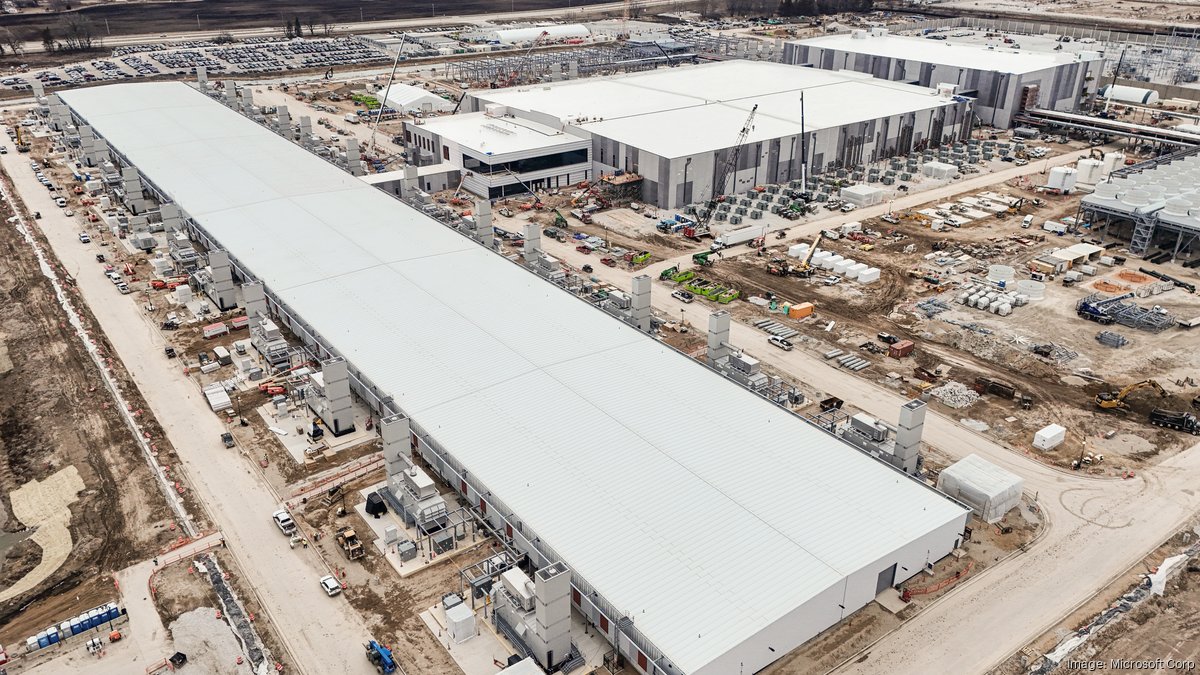
Chronert: Essentially in the tech bubble, we were building out internet infrastructure. This time, we’re building out AI infrastructure.
The other similarity is that it was sort of a new technology paradigm that fostered both a lot of innovation and a lot of hype, let’s say. And we’re seeing something comparable.
The difference, though, is the nature of the companies involved in the spending on the infrastructure build-out. Today you’ve got giant companies with large cash flows that are supporting a lot of the spending.
Less of the money for investment is coming from IPOs and debt issuance. More of it’s coming from existing cash or free cash flow. So it’s a healthier starting point, which I think gives the cycle more of a chance of persisting.
And if we’re looking at a protracted investment cycle that goes for another couple years, or several years, then I think it kind of sets us up for what we’re arguing is still a structural bull case for US equities.
Sherwood: Growth expectations for sales are one thing, but also it’s worth thinking about the fact that profits are at a very high level, too. Is that a potential worry?
For instance, if you look at profit margins, or absolute profit levels or profits as a share of GDP, doesn’t that raise the difficulty of keeping this profit growth going? We’re not starting from the low level where we were during Covid.
Chronert: It’s a good point, a good question.
A lot of this is going to be persistence for revenue growth combined with fairly high gross margin structures, which mean a lot of operating leverage. So what then happens is your return metrics — whether it’s return on equity, return on invested capital, pick your return metric — they begin to really, really surge. And so far, with the big capex investors, what we’re seeing is that you haven’t seen much deterioration in a lot of the profit metrics.
But there’s no question that you don’t want a very profitable business model to unwind. So that’s among the things that we’re going to have to keep an eye on.
Sherwood: In your recent note, you do say you have a nagging concern about whether the “raise” component — companies updating and lifting sales and profit forecasts as part of the quarterly reports — will satisfy the market during Q3 earnings season. Can you flesh that out for me a bit?
Chronert: The question is simply whether, as we go into the Q3 reporting period, are we going to get healthy growth projections? And will they match, or exceed, what the stocks are discounting or expecting?
Sherwood: And the only way to assess that is how the stock reacts after the numbers, right?
Chronert: Pretty much. We’re allowing for some volatility around that reporting period. But at the same time, we’ve got the Fed with its next wave of rate cuts coming, and that still sets us up for a stronger finish to the year.
Sherwood: But is there a point where we should worry that these high valuations mean we’re overpaying for future growth?
Chronert: I think the point we’re making and the way I kind of wrote that note is that if you sold just on valuation, you’ve been selling for the past year. How’s that done for you?
Sherwood: I guess it depends how the next year goes. If we crash 50% in 2026, selling the market this year will look like a pretty smart move in retrospect.
Chronert: Well, we’re saying we think this particular AI-related effect has room to run. And I think, implicitly, we’re saying it’s going to be tough to call the top.
Sherwood: Broadly, how reliant is this market on the AI story? If there were to be a setback in AI, how tough would that be for the broader market to weather?
Chronert: We’ve done some other work on that, and we’ve said almost 50% of the S&P market capitalization appears to be AI-influenced.
So essentially you’re running dual markets. You’re running a market that’s sort of all about AI as a driver, and then you’ve got the other half that has more traditional drivers. I’m probably more concerned about the AI side of the market than the non-AI side of market because of the embedded expectations we’ve been talking about.
Sherwood: Thanks very much for your time.
Chronert: Take care.