Crypto
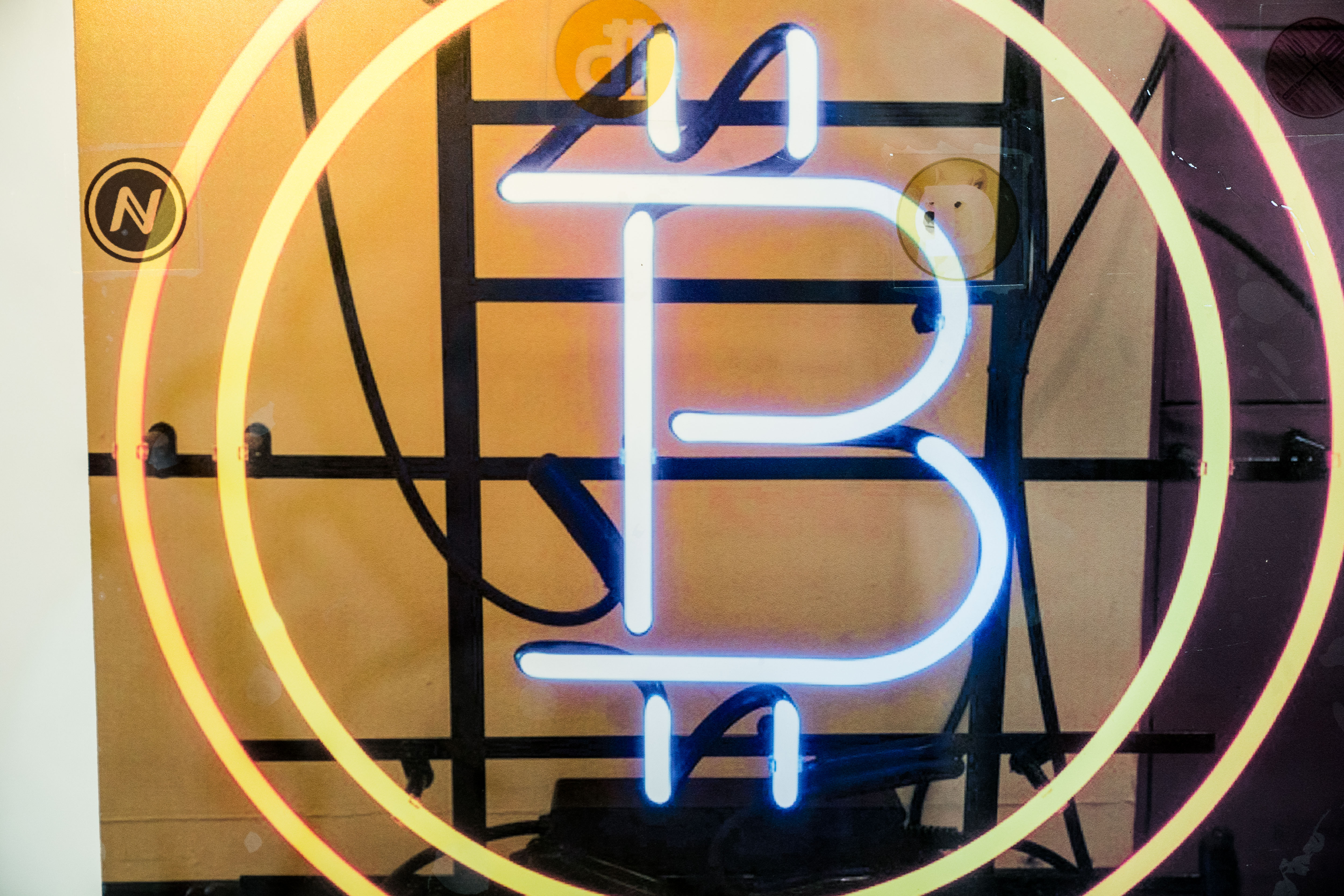
Solana store
A Solana Spaces store (Joe Raedle/Getty Images)
Sol train

Companies pile into creating solana versions of Michael Saylor’s Strategy

SOL Strategies, Upexi, and DeFi Development Corp are acquiring millions of dollars of solana to stockpile.

Sage D. Young

The playbook of Michael Saylor’s bitcoin-buying firm Strategy has extended to the Solana ecosystem. 

This week, three companies announced solana acquisitions. On Tuesday, publicly traded Canadian firm SOL Strategies announced the acquisition of nearly $18.3 million worth of solana at an average price of about $149 per token. 

The same day, consumer goods company Upexi said it increased its treasury of solana by $30 million, bumping its total holdings to 201,500 tokens worth about $30 million. Upexi still has upward of $60 million in cash reserves for additional near-term investment into solana, its press release reported. 

Meanwhile, DeFi Development Corp, which was known as Janover until April 22, also picked up 82,405 solana for nearly $11.2 million and said on Monday it agreed to acquire a solana validator business for $3.5 million. DeFi Development Corp holds 400,091 tokens representing roughly $59 million.

The three companies each plan on earning solana rewards through staking or by running validators (computers that help maintain and secure the solana network).

The price of solana, the sixth-largest cryptocurrency by market capitalization, with more than $76 billion, has increased more than 36% in the past 30 days, though today it’s largely flat, hovering around the $145 level.

“Our goal is to acquire and HODL as many SOL as possible,” Upexi CEO Allan Marshall said in the press release. “With over $60 million of cash available for near-term SOL purchases and planned future accretive raises, Upexi is well positioned to accelerate the accumulation of SOL and further its lead as the canonical Solana treasury company.”

SOL Strategies’ purchase follows the company completing an initial $20 million closing of its $500 million convertible note facility aimed at purchasing SOL tokens to be staked on the firm’s validators, according to its press release. Similarly, Upexi’s increase in its solana holdings occurred after the closing of a $100 million private offering from crypto venture capital firms like GSR. 

SOL Strategies, Upexi, and DeFi Development Corp are mirroring Michael Saylor’s Strategy, a corporate firm initially known as a business software enterprise that has shifted its attention to becoming a bitcoin powerhouse. 

Strategy started accumulating bitcoin in August 2020. Since then, it’s become the largest corporate bitcoin holder. The latest purchase was announced on Monday, when Saylor revealed that Strategy scooped up an additional 1,895 bitcoin, bringing its total to 555,450 bitcoin worth about $52.7 billion.


Sage D. Young is a crypto journalist who’s written for CoinDesk and Unchained.

More Crypto

See all Crypto
crypto

Payward, parent company of crypto exchange Kraken, puts plans for IPO on hold

Payward, crypto exchange Kraken’s parent company, has paused its plans for an initial public offering until market conditions improve, according to a report from CoinDesk that cited two people with knowledge of the matter. 

Since the firm announced in November its preparation for an IPO of its common stock, the total market capitalization of the crypto industry has shed around $652.2 billion, from $3.2 trillion to $2.5 trillion as of Wednesday, data from CoinGecko shows. 

The news comes two weeks after Kraken received approval for a master account from the Federal Reserve Bank of Kansas City, allowing the crypto exchange to connect to the Fed’s payment infrastructure used by traditional banks and credit unions. 

Last year, Kraken raised $800 million at a $20 billion valuation from institutional investors such as Jane Street and Citadel Securities.

The news comes two weeks after Kraken received approval for a master account from the Federal Reserve Bank of Kansas City, allowing the crypto exchange to connect to the Fed’s payment infrastructure used by traditional banks and credit unions. 

Last year, Kraken raised $800 million at a $20 billion valuation from institutional investors such as Jane Street and Citadel Securities.

crypto

SEC and CFTC issue new guidance on how securities laws apply to crypto assets

On Tuesday, the US Securities and Exchange Commission, together with the Commodity Futures Trading Commission, issued an interpretation clarifying how federal securities law applies to crypto assets, a first step toward developing a clearer regulatory framework. 

The interpretive guidance introduces a token taxonomy for different types of cryptocurrencies, with SEC Chairman Paul S. Atkins adding that “most crypto assets are not themselves securities.”

Examples of a digital commodity, “a crypto asset that is intrinsically linked to and derives its value from the programmatic operation of a crypto system that is ‘functional,’” include:

The guidance also includes definitions of digital collectibles (such as NFTs), stablecoins, digital tools, and digital securities (such as tokenized real-world assets and stocks).

This is a monumental step in the mainstream adoption of the industry and clears a hurdle in how crypto can operate going forward, according to David Pakman, head of venture investments at CoinFund. “This will allow new token designs with the confidence that their existence does not require registration with the SEC, etc.,” Pakman told Sherwood News.

Despite the clarification efforts from the two organizations, the market capitalization of the crypto industry has dropped about 2% in the last 24 hours as each of the tokens mentioned in the guidance are trading lower in the period, data from CoinGecko shows.

The joint agency action also complements congressional efforts to turn a crypto market structure framework into law. With the goal of providing regulations on the offer and sale of digital commodities, the CLARITY Act passed the House of Representatives last year and is now sitting in the Senate.

Latest Stories

Sherwood Media, LLC produces fresh and unique perspectives on topical financial news and is a fully owned subsidiary of Robinhood Markets, Inc., and any views expressed here do not necessarily reflect the views of any other Robinhood affiliate, including Robinhood Markets, Inc., Robinhood Financial LLC, Robinhood Securities, LLC, Robinhood Crypto, LLC, Robinhood Derivatives, LLC, or Robinhood Money, LLC. Futures and event contracts are offered through Robinhood Derivatives, LLC.