Business
Handshake
(Getty Images)
BATTLE OF THE BRANDS

Which companies have the best and worst reputations, according to Americans?

The 2026 Axios Harris Poll 100 reputation ranking suggests the US prefers Big Tech to Big Media.

Since 2019, The Harris Poll and Axios have published an annual ranking based on corporate repute, conducted by asking thousands of Americans one simple question: which companies have the best and the worst reputations in the country right now?

For the 2026 poll, the market research firms surveyed 6,226 US adults from a nationally representative online sample in December 2025. In its research report, The Harris Poll wrote (emphasis added):

“The mid-2020s are drawing comparisons to the mid-1970s — rising gas prices, affordability fatigue, and the implicit social contract between companies and the people they serve feels under strain to many Americans. In that environment, the companies with the strongest reputations are the ones Americans feel are helping them get ahead.”

That certainly explains the positive attitudes that Americans had toward market-driving tech juggernauts like Nvidia, as well as car manufacturers that help keep them literally on the move, like Toyota and Honda.

However, the fact that pet supply company Chewy took the top spot this year perhaps has less to do with economic or real-world momentum than the positive association that comes with catering to furry friends. Despite not featuring in the ranking since 2021, Chewy scored especially well in categories for “products & services,” “trust,” and “trajectory,” but slightly less well for “relevance.”

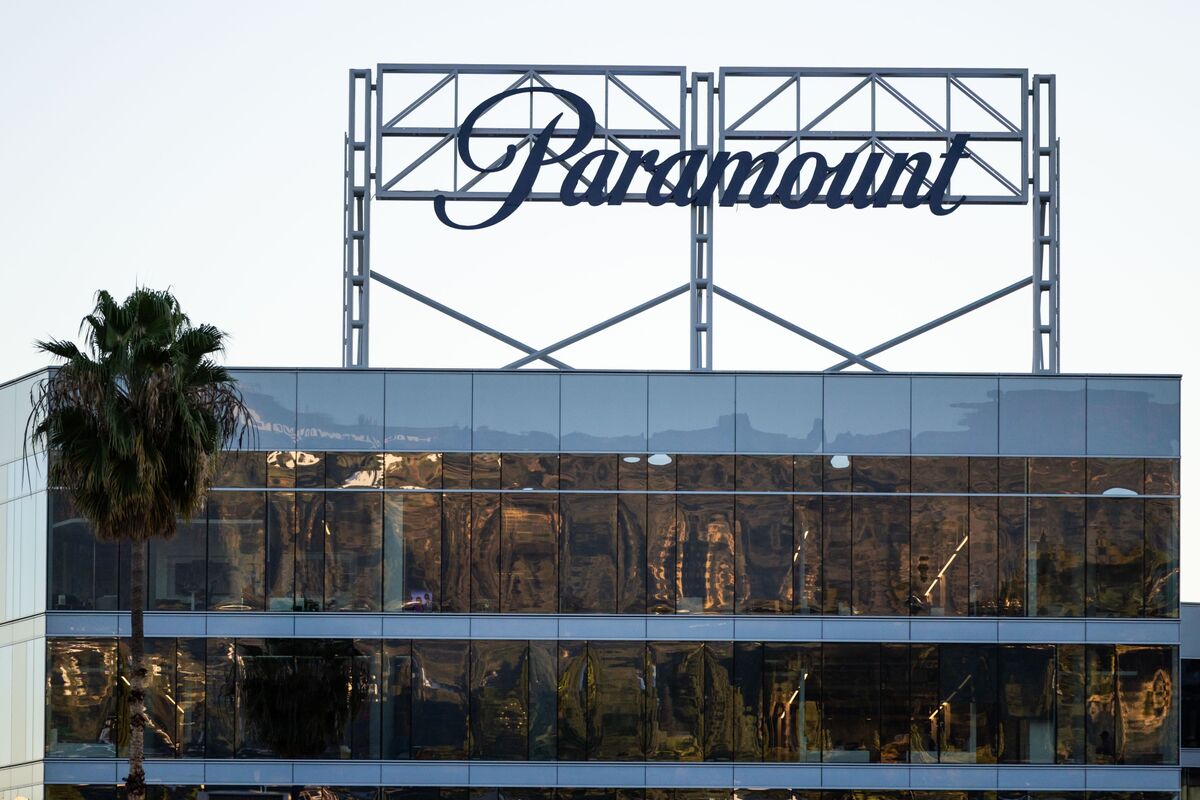
While technology companies fared relatively well in the rankings — with Apple, Amazon, Alphabet, and Microsoft all receiving a “very good” score — respondents had less favorable feelings toward media giants like Fox and Comcast, as well as social media companies TikTok, X Corp., and Meta, the owner of Instagram and Facebook.

Ethical concerns surrounding social media use have seen national bans introduced in the past year in other parts of the world, while similarly widespread negative views on the impacts of fast fashion no doubt dented the public opinion of Shein and Temu.

Overall, 77 out of 100 companies in the 2026 ranking, including 22 names that had not broken the top 100 in 2025, scored more highly than they did the year prior. Even airlines, such as the 100th-place, now defunct Spirit Airlines, somehow all outperformed their scores from the 2025 poll.

Though there was no real correlation between market cap and corporate reputation in 2026, all companies with valuations exceeding $2 trillion at the time of writing scored ~78 points or higher in the index.

More Business

See all Business
business
Tom Jones

Demis Hassabis, Google DeepMind’s CEO and founder, was also an early Anthropic investor

A chess prodigy and an actual a knight of the realm in the UK, it’s perhaps no surprise that Demis Hassabis has made some strategic moves about his exposure to AI upside. According to people familiar with the matter, the influential AI architect became an angel investor in Anthropic, currently behind many of the leading AI models, per Arena AI leaderboards.

The Nobel Prize winner’s position in the Claude creator was previously undisclosed and, per the Financial Times, highlights Hassabis’ “growing influence across the AI industry.”

Google, which bought DeepMind, the company that Hassabis cofounded and heads to this day, for a reported ~$400 million in 2014, is also a key Anthropic investor. The tech giant reportedly plans to invest up to $40 billion in the AI company as part of the mutually beneficial relationship the pair have forged, with reports that Anthropic has committed to spending $200 billion in the other direction on Google’s cloud services over the next five years.

Im playing all sides, so I always come out on top

In addition to his financial support for Anthropic, Hassabis has also invested in a range of AI startups launched by colleagues, such as Inflection AI, a company set up by DeepMind cofounder Mustafa Suleyman (who is now CEO of Microsoft AI), as well as efforts from other collaborators, like David Silver’s Ineffable Intelligence.

Hassabis also emerged as a recurring figure on the fringes of the recent Elon Musk v. Sam Altman trial, cropping up repeatedly in testimonies and court documents and appearing to live, as The Verge put it, “rent-free” in Musk’s head.

Founded in 2021, Anthropic has recently raised funding at a reported $900 billion valuation, sending it soaring ahead of competitor OpenAI.

The Nobel Prize winner’s position in the Claude creator was previously undisclosed and, per the Financial Times, highlights Hassabis’ “growing influence across the AI industry.”

Google, which bought DeepMind, the company that Hassabis cofounded and heads to this day, for a reported ~$400 million in 2014, is also a key Anthropic investor. The tech giant reportedly plans to invest up to $40 billion in the AI company as part of the mutually beneficial relationship the pair have forged, with reports that Anthropic has committed to spending $200 billion in the other direction on Google’s cloud services over the next five years.

Im playing all sides, so I always come out on top

In addition to his financial support for Anthropic, Hassabis has also invested in a range of AI startups launched by colleagues, such as Inflection AI, a company set up by DeepMind cofounder Mustafa Suleyman (who is now CEO of Microsoft AI), as well as efforts from other collaborators, like David Silver’s Ineffable Intelligence.

Hassabis also emerged as a recurring figure on the fringes of the recent Elon Musk v. Sam Altman trial, cropping up repeatedly in testimonies and court documents and appearing to live, as The Verge put it, “rent-free” in Musk’s head.

Founded in 2021, Anthropic has recently raised funding at a reported $900 billion valuation, sending it soaring ahead of competitor OpenAI.

business

Jury rules against Musk in lawsuit against OpenAI and Altman

Jurors in Tesla CEO Elon Musk’s lawsuit against Sam Altman, Greg Brockman, and OpenAI found the defendants not liable on all claims on Monday.

In a unanimous verdict reached after less than two hours of deliberation, the Oakland jury found that Musk had waited too long to bring his case forward, exceeding the statute of limitations.

Musk had alleged that OpenAI abandoned its founding mission as a nonprofit dedicated to developing AI for humanity and instead became a profit-driven company closely tied to Microsoft.

The verdict caps off a three-week blockbuster tech trial that could have seen Altman and Brockman removed from OpenAI leadership.

Musk had alleged that OpenAI abandoned its founding mission as a nonprofit dedicated to developing AI for humanity and instead became a profit-driven company closely tied to Microsoft.

The verdict caps off a three-week blockbuster tech trial that could have seen Altman and Brockman removed from OpenAI leadership.

Latest Stories

Sherwood Media, LLC and Chartr Limited produce fresh and unique perspectives on topical financial news and are fully owned subsidiaries of Robinhood Markets, Inc., and any views expressed here do not necessarily reflect the views of any other Robinhood affiliate, including Robinhood Markets, Inc., Robinhood Financial LLC, Robinhood Securities, LLC, Robinhood Crypto, LLC, Robinhood Money, LLC, Robinhood U.K. Ltd, Robinhood Derivatives, LLC, Robinhood Gold, LLC, Robinhood Asset Management, LLC, Robinhood Credit, Inc., Robinhood Ventures DE, LLC and, where applicable, its managed investment vehicles.