Business
Woman Holding Red Phone to Her Ear
Getty Images
RINGING OUT

The landline isn’t extinct in America, but it might be by 2030

AT&T and others are cutting the cord on long-lived landlines as more households go wireless.

Millie Giles

If your household still has an old-style landline, it might be time to hang it up once and for all, as telephone companies say “Cu” to traditional copper cables.

During their investor day earlier this month, cellular giant AT&T announced that it’s phasing out copper wire entirely, meaning that its landline-phone service will no longer be available in almost every US state by 2029. Citing the $6 billion of annual costs incurred by legacy copper services, the company outlined plans to go all-in on fiber and wireless, including promoting a new product, “AT&T Phone Advanced,” as a fiber-based replacement for landline phones.

The telecommunications company reported that it’s expanding its wire centers to execute the nationwide exit from copper, though it also stated that “only 5% of our residential customers are still using copper voice technology.” Indeed, in the US at least, landlines are already a dying breed: according to the latest National Health Interview Survey from the CDC, an estimated 76% of Americans only used wireless telephone services, compared with 1.3% that solely used landline services — down from 43% just two decades before.

Landline chart
Sherwood News

Dialing back

Though only a tiny fraction of America is solely reliant on landlines, there are still tens of millions of households who have one. But, for AT&T execs looking after the company’s bottom line, the math is hard to ignore. The Dallas-based company disclosed that maintenance costs for fiber subscribers are 35% lower than for those still using some 70-year-old copper services.

Other providers are moving on from less reliable, more demanding copper services, too. Verizon, the largest cellular-service company in the US, announced plans to retire its copper cables in April, with Frontier and TDS also reportedly moving on from their copper networks. For AT&T specifically, decommissioning the most energy-hogging section of its business will help it keep its “leading position in the US fiber-optic business,” per the WSJ, as well as make headway in providing services to an ever-growing number of wireless customers.

Are you still there?

While cellular providers continue to pull back on landlines, it might be harder to sever these long-lived connections in some areas than others.

The Northeast, for example, has much higher usage rates of wired phones than any other part of the US, with more than half of New York, Massachusetts, Maryland, and New Jersey residents reporting still using the service. Why? Well, as suggested by The Washington Post last year, the near monopoly on landlines held by Verizon in almost every Northeastern state could have something to do it, with the company offering “triple-play” phone, broadband, and cable TV packages to customers at the turn of the digital age... which have stayed on hold ever since.

More Business

See all Business
business

Netflix is down amid reports it’s leading the Warner Bros. bidding war as Paramount cries foul

Netflix’s charm offensive appears to be working.

Netflix is reportedly emerging as the leader in the bidding war for Warner Bros. Discovery after second-round bids this week, edging out entertainment juggernaut rivals Comcast and Paramount Skydance.

Investors don’t appear psyched by the streaming leader’s turn of fortune: the stock is down on Thursday morning, a day after closing down nearly 5% following reports that scooping up HBO Max wouldn’t necessarily result in a big market share boost.

Paramount, which has reportedly made five bids for Warner Bros. Discovery, doesn’t love the current state of play, either. The company sent WBD a letter questioning the “fairness and adequacy” of the process, highlighting reports that WBD’s board favors Netflix and is resisting Paramount.

Any offer would be subject to regulatory approval — a fact that may have weighed against Netflix’s offer given that cofounder Reed Hastings’ politics are vocally to the left, very much at odds with the current regulatory regime. Paramount seems confident in its ability to get approval, reportedly boosting its breakup fee to $5 billion should its potential acquisition fall apart in the regulatory process.

Investors don’t appear psyched by the streaming leader’s turn of fortune: the stock is down on Thursday morning, a day after closing down nearly 5% following reports that scooping up HBO Max wouldn’t necessarily result in a big market share boost.

Paramount, which has reportedly made five bids for Warner Bros. Discovery, doesn’t love the current state of play, either. The company sent WBD a letter questioning the “fairness and adequacy” of the process, highlighting reports that WBD’s board favors Netflix and is resisting Paramount.

Any offer would be subject to regulatory approval — a fact that may have weighed against Netflix’s offer given that cofounder Reed Hastings’ politics are vocally to the left, very much at odds with the current regulatory regime. Paramount seems confident in its ability to get approval, reportedly boosting its breakup fee to $5 billion should its potential acquisition fall apart in the regulatory process.

business

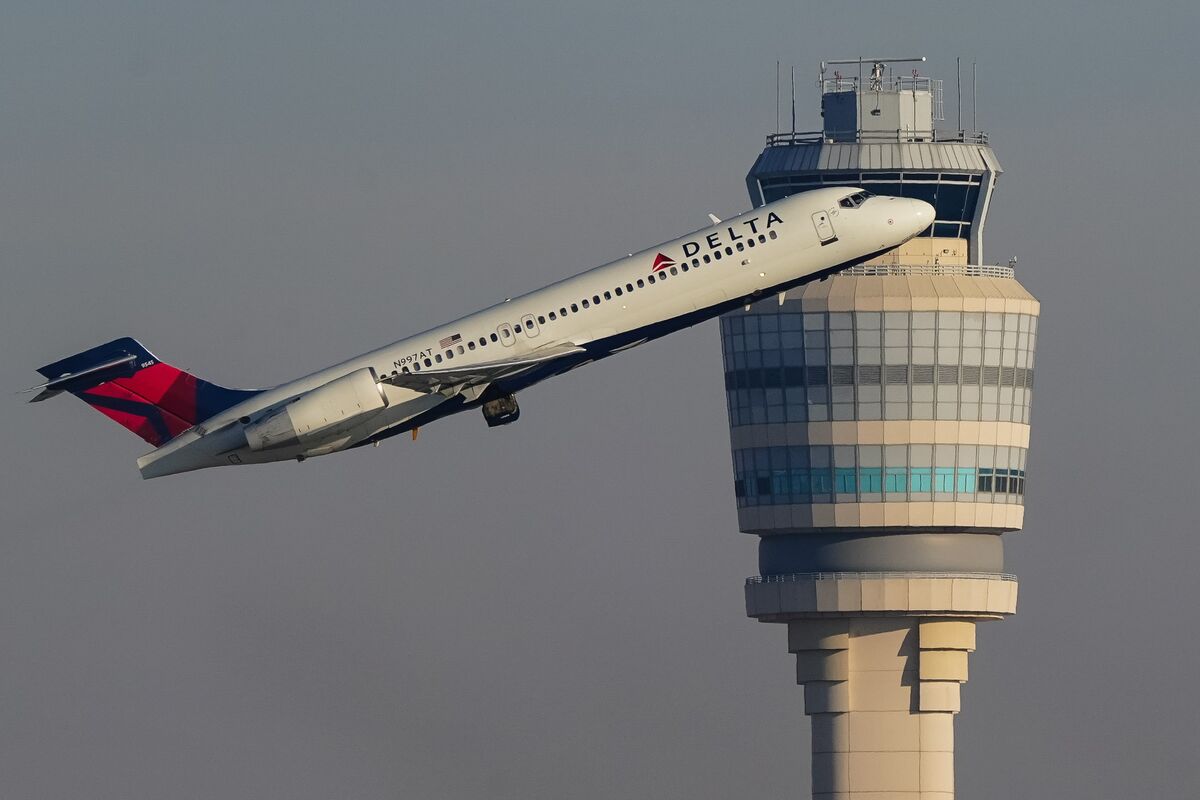
Delta says the government shutdown will cost it $200 million in Q4

The 43-day government shutdown that ended last month will result in a $200 million ding for Delta Air Lines, the airline said in a filing on Wednesday.

That’s about $100,000 per shutdown-related canceled flight. (Delta previously said it canceled more than 2,000 flights due to FAA flight reductions.) When the company reports its fourth-quarter earnings, the shutdown will lop off about $0.25 per share.

Delta initially stayed calm about the shutdown, with CEO Ed Bastian stating in early October that the company was running smoothly and hadn’t seen any impacts at all. One historically long shutdown later, Delta wasn’t able to remain untouched.

The skies have since cleared, though, and Delta’s filing states that booking growth has “returned to initial expectations following a temporary softening in November.”

Delta’s shares were up over 2% as of Wednesday’s market open.

Delta initially stayed calm about the shutdown, with CEO Ed Bastian stating in early October that the company was running smoothly and hadn’t seen any impacts at all. One historically long shutdown later, Delta wasn’t able to remain untouched.

The skies have since cleared, though, and Delta’s filing states that booking growth has “returned to initial expectations following a temporary softening in November.”

Delta’s shares were up over 2% as of Wednesday’s market open.

Latest Stories

Sherwood Media, LLC produces fresh and unique perspectives on topical financial news and is a fully owned subsidiary of Robinhood Markets, Inc., and any views expressed here do not necessarily reflect the views of any other Robinhood affiliate, including Robinhood Markets, Inc., Robinhood Financial LLC, Robinhood Securities, LLC, Robinhood Crypto, LLC, or Robinhood Money, LLC.